
Prefab vs. Modular Homes: What’s the Difference?
If you’ve started researching factory-built homes, you’ve probably seen the terms prefab and modular used—sometimes interchangeably. While both offer faster build times and improved quality control compared to traditional site-built homes, they’re not the same thing.
Understanding how prefab and modular homes differ can help you choose the right approach for your land, timeline, access conditions, and budget—especially if you’re building in a rural, remote, or weather-challenged location.
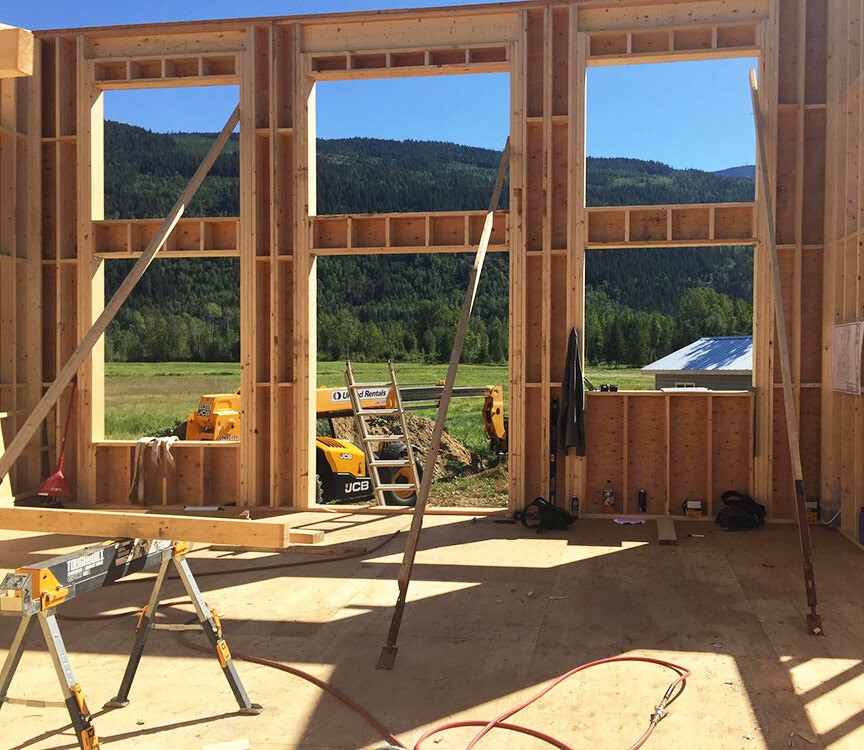
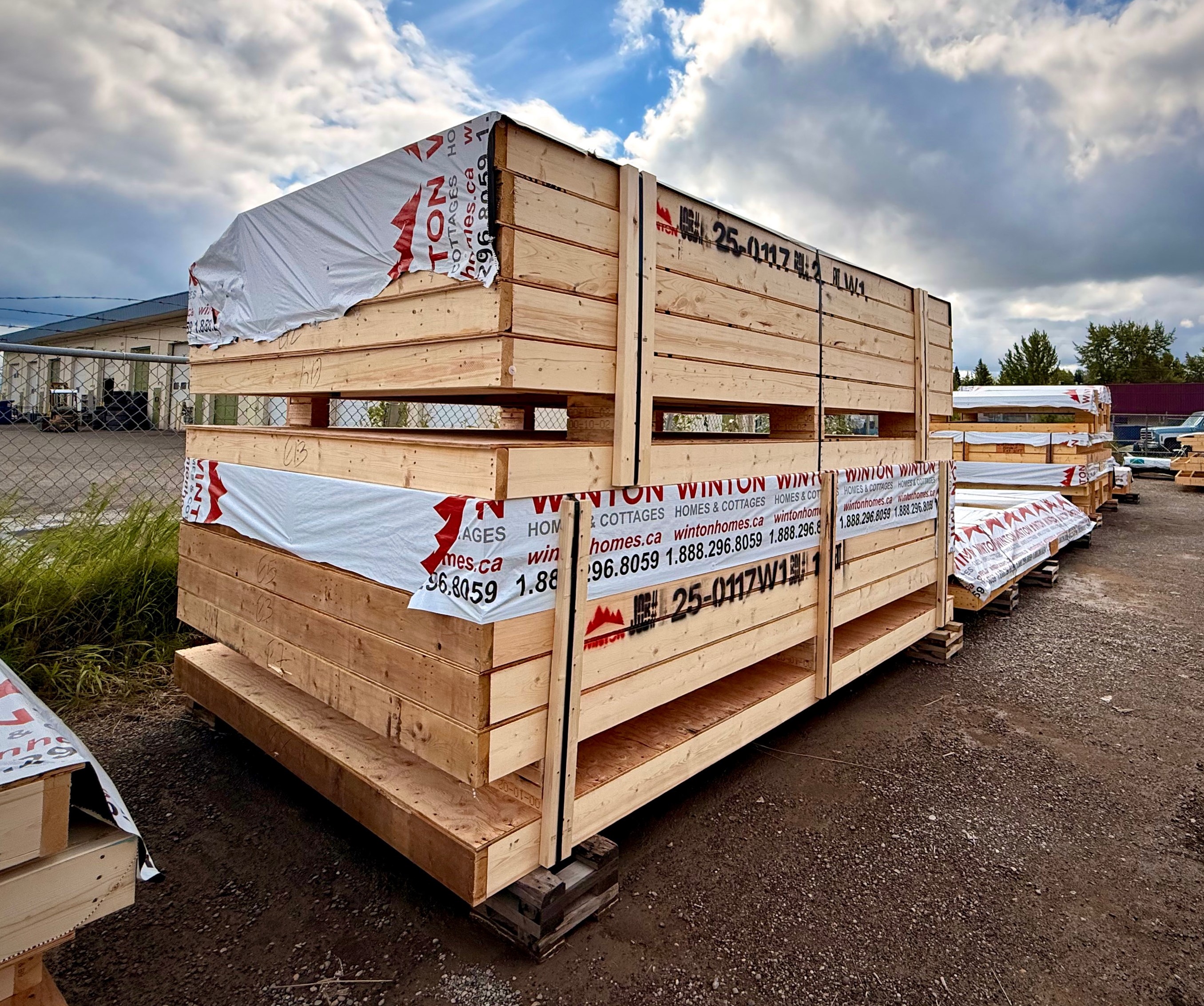
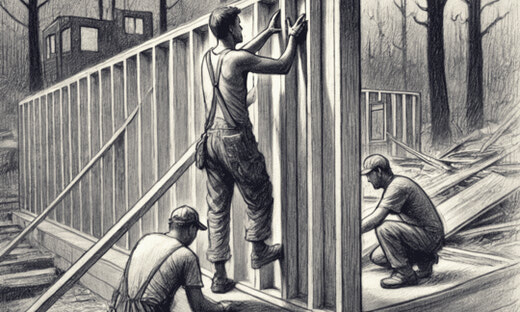
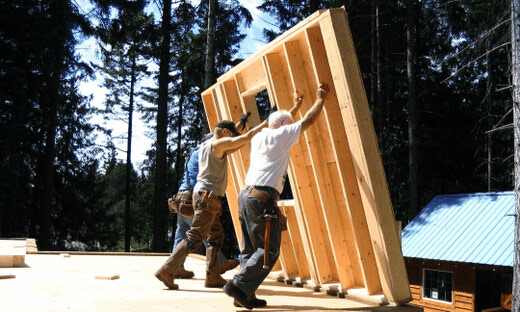
What Is a Prefab (Panelized) Home?Prefab homes (short for prefabricated homes) are built using factory-made components rather than entire rooms or sections. These components—such as wall panels, roof trusses, and floor systems—are manufactured in a controlled facility and then shipped to the building site for assembly. Instead of delivering a finished home in sections, prefab construction delivers the building “kit,” allowing the home to be assembled and finished on your foundation much like a traditional build—but with the precision and efficiency of factory production. |
|
|
|
Key characteristics of prefab homes:
|
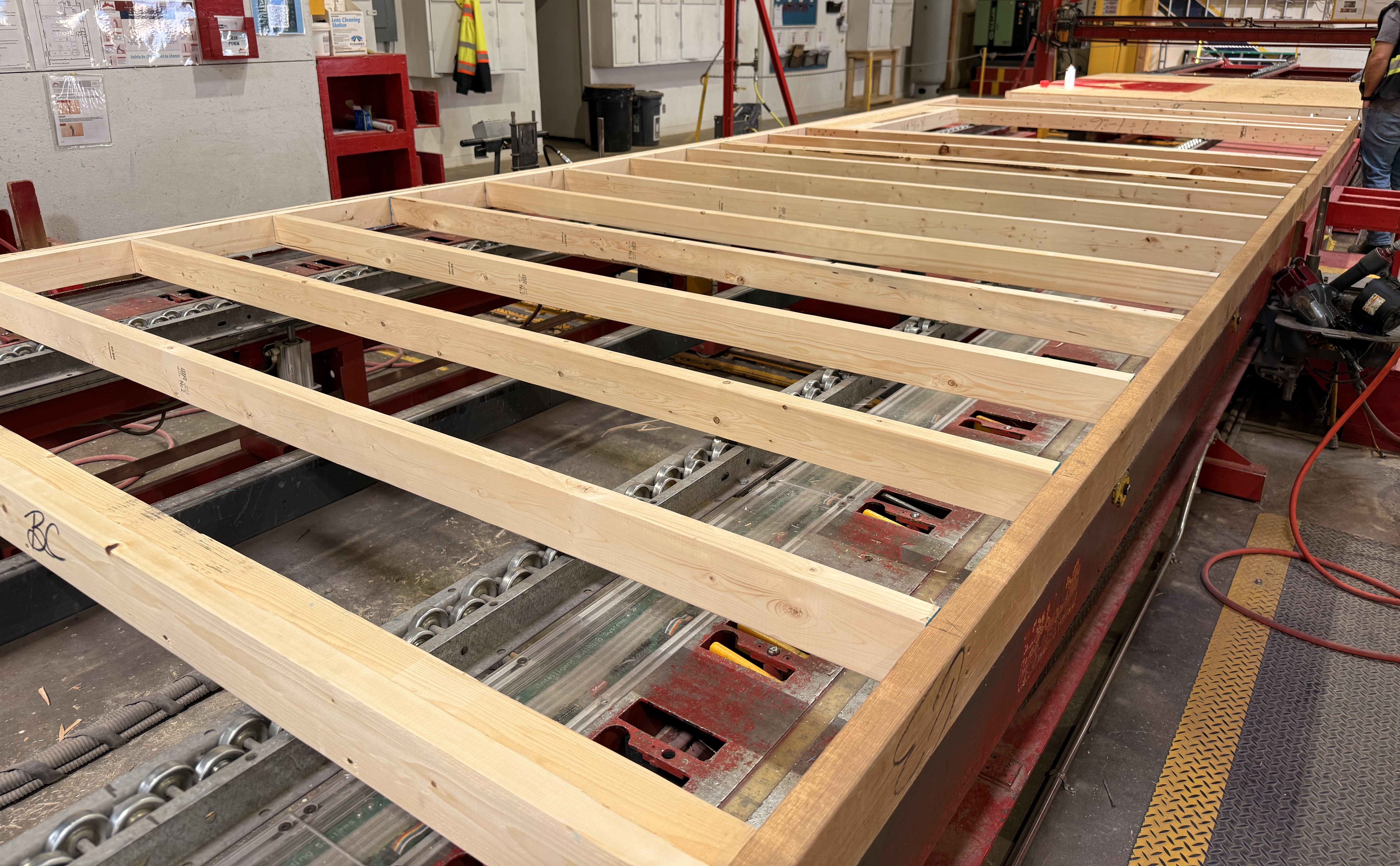
Because the home is assembled piece-by-piece on site, prefab construction blends the efficiency of factory building with the flexibility of traditional construction with added benefits. This approach is especially valuable when working with sloped lots, unique foundations, or evolving design needs.
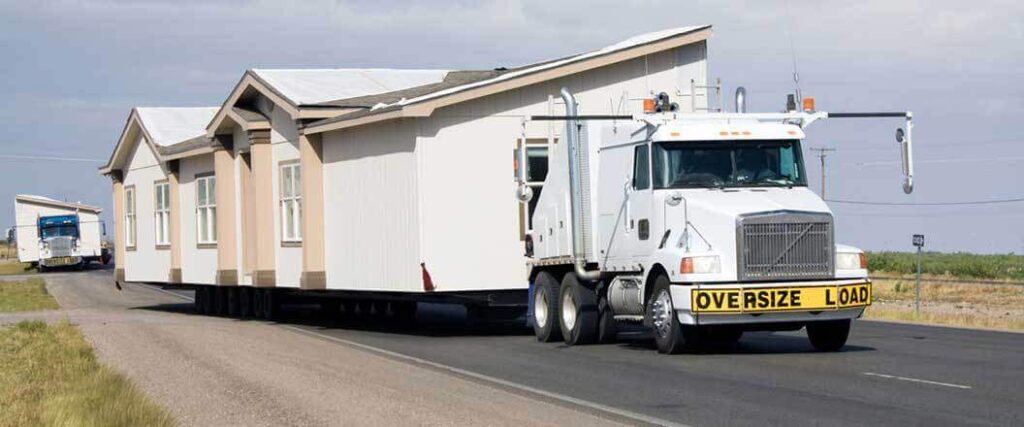
What Is a Modular Home?Modular homes are built as large, three-dimensional sections (modules) in a factory. These modules are transported to the site and set onto the foundation using a crane, where they’re joined together to form the completed home. Because much of the work is completed before delivery, modular homes can be move-in ready relatively quickly once set. |
|
|
|
Key characteristics of modular homes:
|
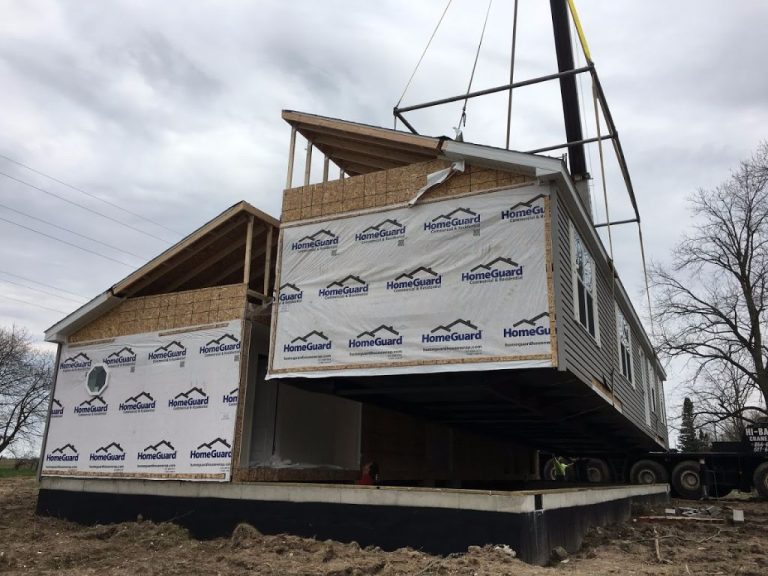
Modular construction is often appealing for buyers who want a faster on-site build and have easy access to their property.
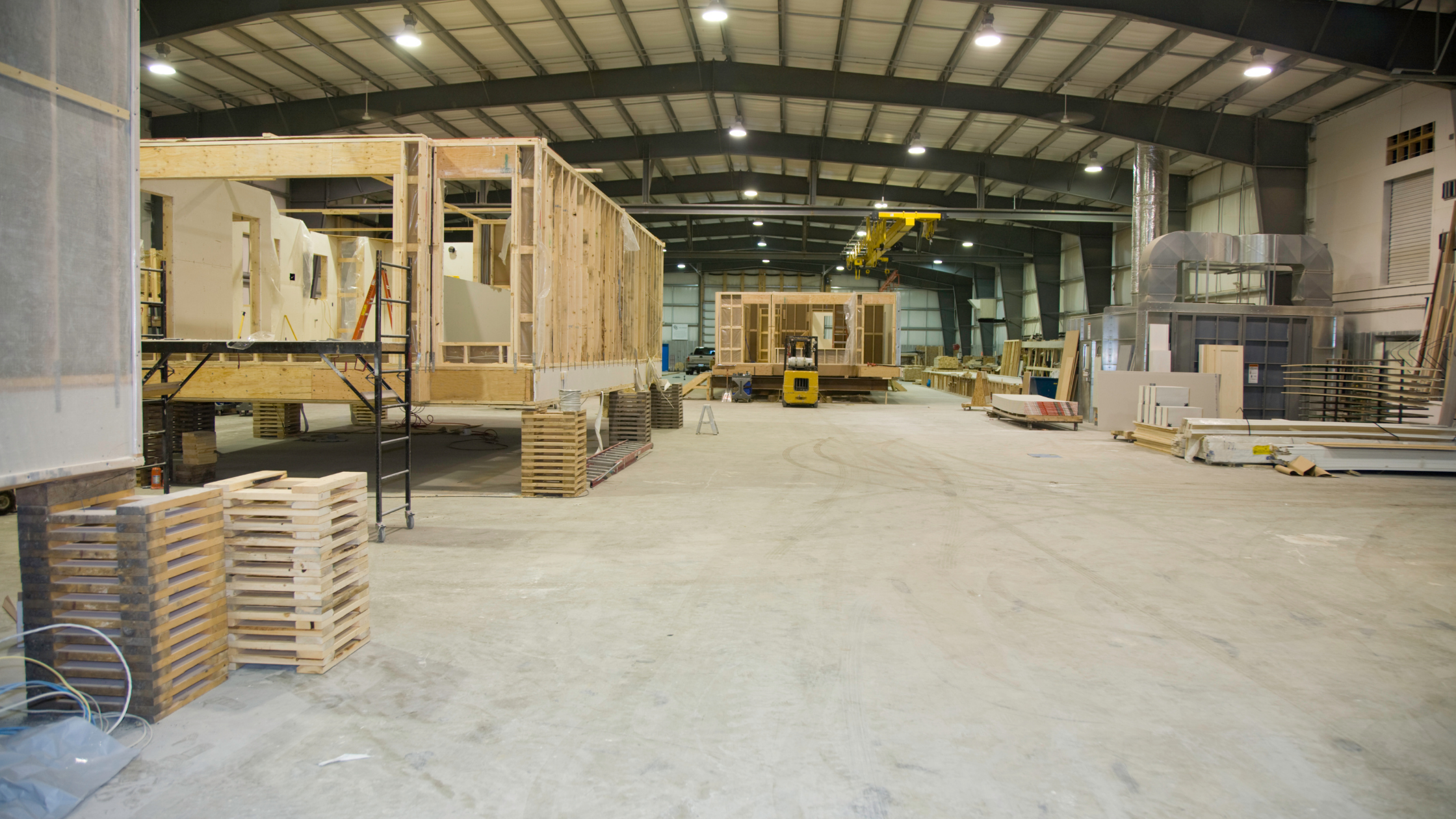
Why Many Homeowners Choose Prefab Construction
Prefab construction is especially popular in regions with challenging terrain, seasonal weather, or strict building codes. Because components are built indoors with factory precision, delays from weather and material waste are minimized, giving the top tier quality control. Prefab also easily incorporates customization into the design.
Prefab homes also allow for:
-
Easier customization during the design phase
-
Strong integration of energy-efficient building envelopes
-
Adaptability to Step Code and future energy standards
-
Greater control over timelines and trades
For homeowners planning a long-term residence, retirement home, or remote getaway, prefab offers durability, performance, and flexibility that can evolve with changing needs, making them a smart choice for long-term comfort and performance.
Final Thoughts
Both prefab and modular homes offer smart alternatives to traditional site-built construction—but they’re designed to solve different challenges. Modular homes excel in speed and simplicity where access is easy, while prefab homes shine in flexibility, customization, and adaptability to unique sites. Understanding how each system works can help you make a confident, informed decision before you build.
If you’re exploring factory-built housing and want guidance tailored to your land, lifestyle, and location, speaking with a prefab home specialist can help you determine the best path forward.
Have more questions about prefab? Our team is here to help!
More Blogs
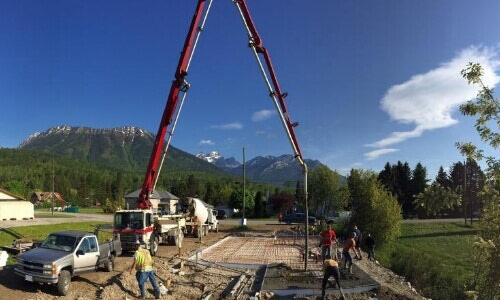
Winton Homes in Prince George specializes in building prefabricated homes BC residents love. We make the process of building a factory-built home and cottage easy. Learn more about how it works.
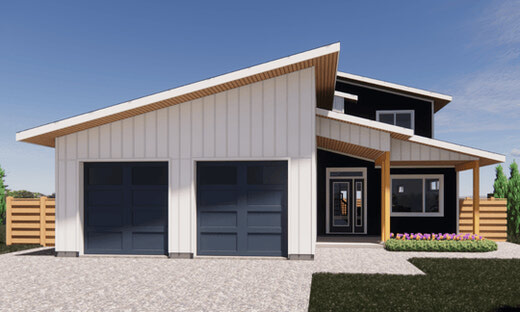
Imagine a home that not only offers more space but also generates additional income---sounds too good to be true, right? Winton's new 3-unit suite design does exactly that, and it's changing the way families and investors think about home ownership.
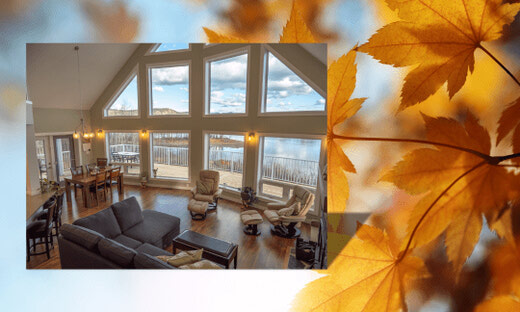
Winton's contemporary designs offer the ideal setting for fall, with open-concept layouts, large windows, and spaces that invite the beauty of the season inside.
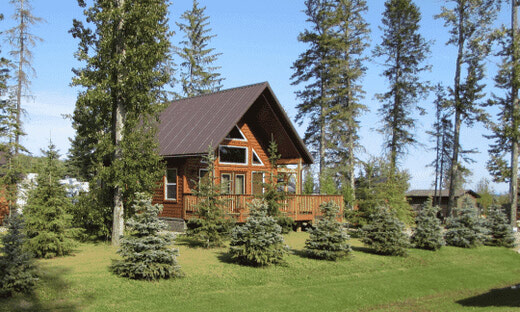
These charming designs offer the perfect blend of style, functionality, and versatility, making them ideal for vacation homes, primary residences, or even rental properties.
Winton Homes stands with all the communities that have been affected by wildfires, offering support and resources during these challenging times.
Prefab homes, represented by leaders in the field like Winton Homes and Cottages, hold significant promise as part of the solution to Canada's housing crisis.
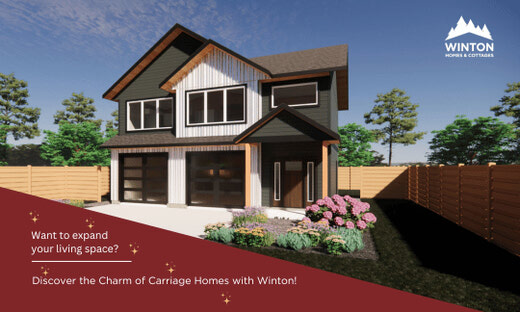
Want to expand your living space? Carriage homes are emerging as a favorite for homeowners looking to enhance their living space, work environment, or income potential.
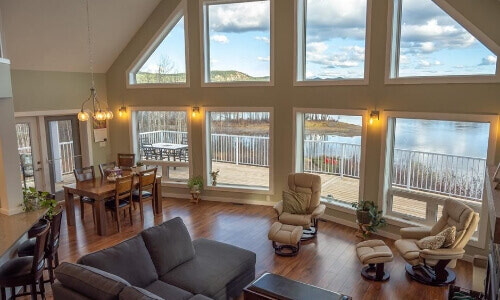
Our energy-saving solutions are built right into the framing! With our Advanced Building Solutions, you'll enhance your comfort throughout the seasons and save yourself money down the line. Read how.
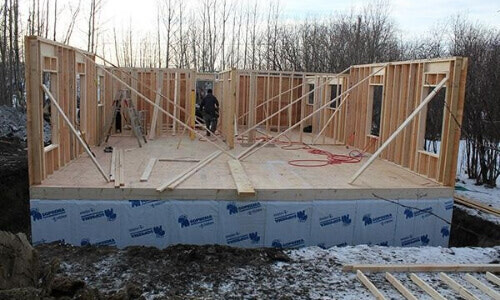
While it might seem counterintuitive to build in colder months, it can be a practical and cost-effective choice. In this article, we'll explore the compelling reasons why building in the off-season can be a smart decision.
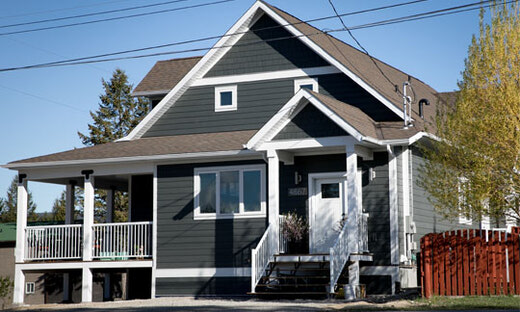
Discover expert insights to build your ideal home while staying financially savvy with Winton Homes. Explore cost-effective solutions and get a clear budget roadmap.
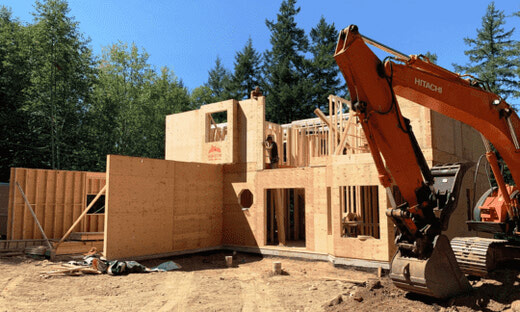
Winter planning? While it's a common misconception that winter brings construction activities to a halt, this season, in fact, offers a strategic starting point, particularly when aligned with spring and summer for the building phase.
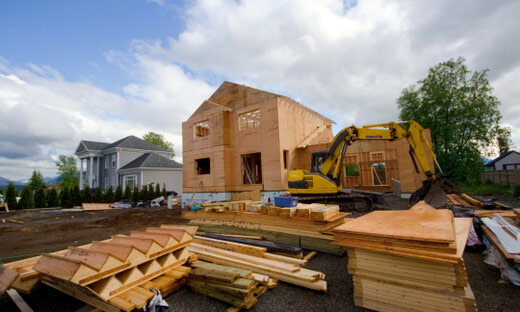
As Canada continues to face an ever-growing demand for housing, recently the Prime Minister announced the Build Canada Homes (BCH) initiative, a national plan focused on accelerating the creation of affordable and sustainable homes across the country.
Winton Homes stands with all the communities that have been affected by wildfires, offering support and resources during these challenging times.
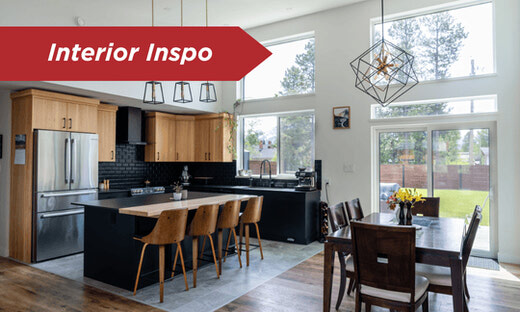
Prefab homes offer a unique blend of efficiency and modern design, but styling them to reflect your personal style requires the right touch. Inspiration is everywhere --- bringing your dream aesthetic to life can be easier than you think!
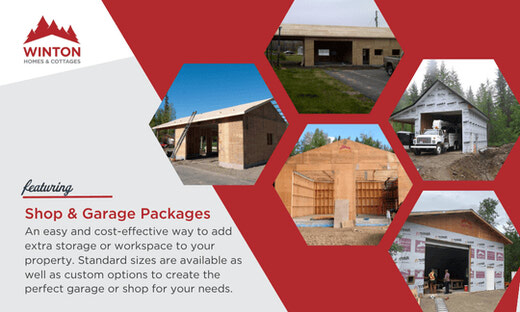
If you own land in or around Prince George, you're already halfway to the dream setup: space, freedom, and potential. But what's missing? A Winton Garage Package!
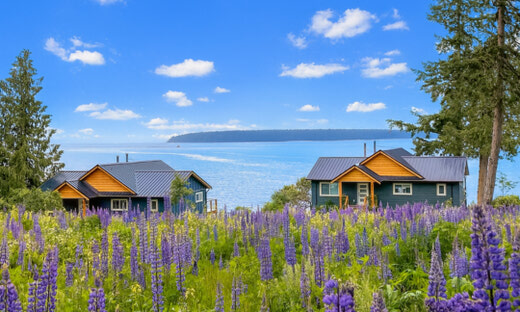
Imagine waking up to the sound of loons on a glassy lake, the scent of pine drifting through your open deck doors, or the view of snow-dusted peaks from your vaulted loft bedroom.
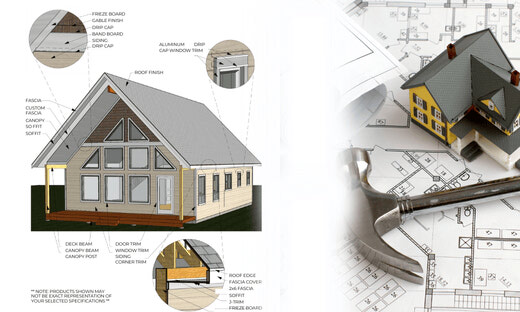
A Winton lock-up package provides all the high-quality materials you need to expertly frame your home and fully complete the exterior, ensuring a secure, weather-tight structure.
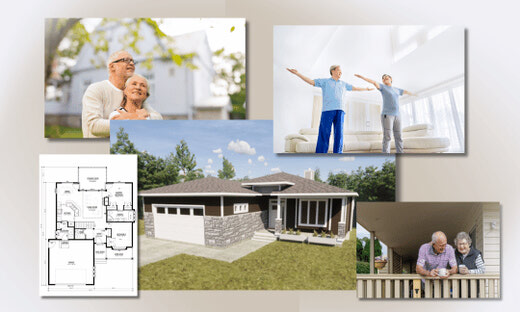
As we or our loved ones approach retirement, finding a home that suits a leisurely, comfortable lifestyle becomes a priority. At Winton Homes, we help craft forever homes that will support you through the golden years.
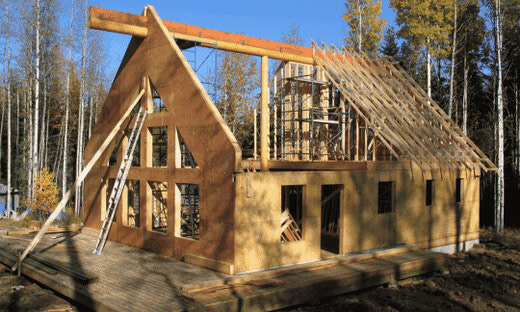
Imagine assembling your home like a large-scale Lego set. Key components like trusses, walls, and floors are crafted in a controlled factory environment according to your design specifications.
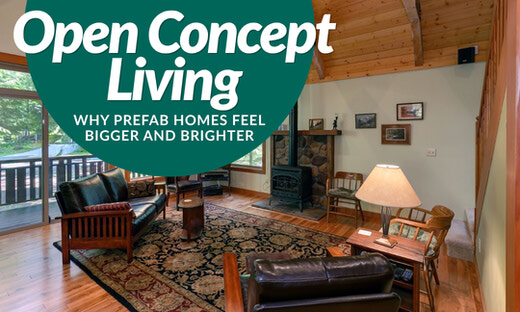
Open concept living has become one of the most sought-after design styles in modern homes and with good reason. By removing certain walls and barriers, this creates a seamless flow between key living spaces like the kitchen, dining, and living room areas.
Want to expand your living space? Carriage homes are emerging as a favorite for homeowners looking to enhance their living space, work environment, or income potential.
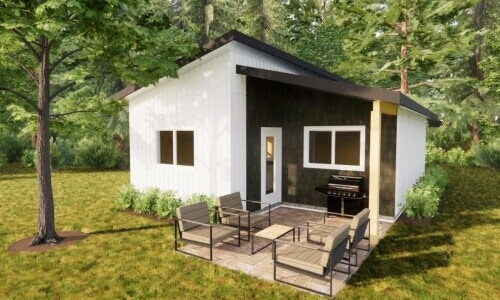
Accessory Dwelling Units make a lot of economic sense for homeowners and renters alike. If you're looking to construct an affordable new ADU in the shortest amount of time, you need to consider a prefab build package from Winton Homes! See why.
Share the Experience, Reap the Rewards! We're excited to introduce our new referral program, designed to reward you for spreading the word about Winton Homes.
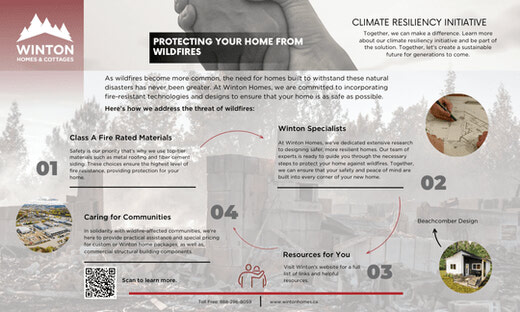
As wildfires become an increasingly common threat across Canada, the importance of constructing homes that can withstand these natural disasters has never been more pressing.