
Understanding Building Step Code: What Homeowners Should Know Before Building
Before embarking on the endeavor of building your own home, there are a few systems and regulations you’ll have to familiarize yourself with. They are a particular set of codes that vary by jurisdiction. For building in British Columbia all residents must follow the code to achieve a standard of energy efficiency the with the goal of all new buildings being net-zero energy ready by 2032.
While it can sound technical, understanding Step Code is important for homeowners because it directly affects your home’s energy efficiency, comfort, and long-term operating costs.
Here’s a clear, homeowner-friendly guide to what Building Step Code is and what to consider before you start your build.
What Is the BC Energy Step Code?
The BC Energy Step Code is set of building standard that encourages the construction of increasingly energy-efficient homes. Municipalities choose which step is required in their area, and these requirements can change over time as communities move toward more sustainable building practices.
The BC Energy Step Code has five steps aimed at making buildings more energy-efficient by 2032:
-
Step 1: Buildings must be tested for energy performance but only need to meet basic building code requirements
-
Step 2: Buildings need to be slightly more energy-efficient than the basic code, usually about 10% better
-
Step 3: Buildings must be moderately more energy-efficient, typically around 20% better than the basic code
-
Step 4: Buildings need to be significantly more energy-efficient, often around 40% better than the basic code
-
Step 5: Buildings must be extremely energy-efficient and "net-zero energy ready," meaning they can potentially produce as much energy as they consume
There is also the Zero Carbon Step Code, which is a building standard in British Columbia aimed at reducing carbon emissions from new buildings. The Zero Carbon Step Code consists of four levels similarly to the Energy Step, code with the goal of zero carbon emissions with the full electrification of buildings.
Why Step Code Matters for Homeowners
Not only does building to a higher Step Code just meet regulations, it also has real everyday benefits:
-
Lower Energy Bills/Improved Comfort
Homes built to higher energy standards require less heating and cooling. Better insulation and air sealing mean a more consistent indoor temperature, reduced drafts, and overall noise. Over time, this can lead to significant savings on utility costs.
-
Future-Proofing Your Investment
Energy standards are becoming stricter. Building to a higher step now can increase resale value and prevent the need for costly upgrades later one and align your home with future regulations.
-
Last but not least… The PLANET!!
We as occupants of this beautiful planet must do our part in ensuring on preserving its natural beauty and life. By incorporating and following these measures we will reduce are carbon footprint and ensure the longevity of our home.
Key Design Considerations When Building to Step Code
Meeting Step Code targets requires thoughtful planning early in the design stage. Homeowners should discuss these elements with their builder:
Insulation & Building Envelope
Higher Step levels often require upgraded wall, roof, and floor insulation, plus careful air sealing to minimize heat loss.
Windows & Doors
Energy-efficient windows — such as double or triple pane options — play a major role in overall performance.
Mechanical Systems
Efficient heating, cooling, and ventilation systems help homes meet performance targets while maintaining comfort.
Design & Orientation
Simple design choices, like window placement and home orientation, can improve natural light and passive heating.
How to Prepare Before You Build
Before finalizing your plans, homeowners should:
-
Check local requirements: Confirm which Step Code your municipality requires
-
Prepare documentation: Gather everything from plans to forms needed
-
Consult an energy coach: Get advice from an expert to assist to guide you
-
Explore incentives: Look into available rebates or efficiency programs
-
Plan early: Step Code decisions are easiest to implement during the design phase
Ready to Build
Building Step Code may seem complex at first, but at its core, it’s about creating homes that are more efficient, comfortable, and sustainable. For homeowners, understanding these standards early in the process leads to smarter decisions and a better long-term investment.
If you’re planning to build, having open conversations with your builder about Step Code goals can help ensure your new home meets both regulatory requirements and your personal expectations for comfort and performance.
Not in BC? Make sure you refer to your local municipality’s guides for building
Questions? Contact a Winton Specialist Today!
Source: Official Website of Government of British Columbia
More Blogs

At Winton Homes, we believe that the strongest communities are built through collaboration. That's why we're excited to announce the launch of our new webpage, Collaborative Projects and Partners.
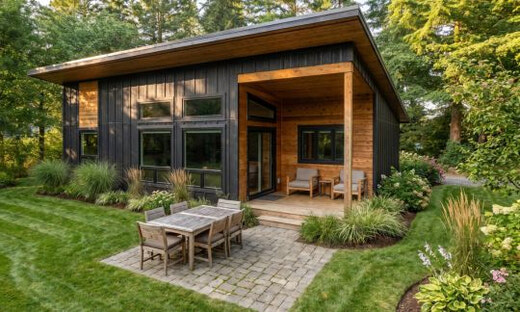
Building a home is one of the biggest investments you'll make, and deciding how it will be built is just as important as choosing the design itself. While traditional stick-built construction remains common, more homeowners across Western Canada...
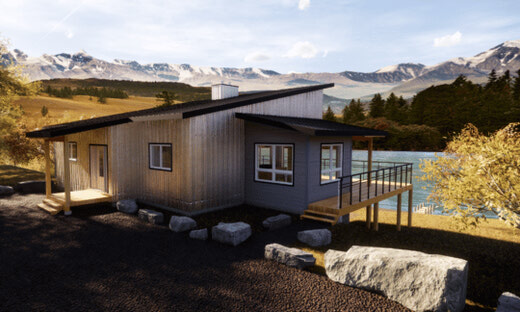
At Winton Homes, we believe in merging aesthetic appeal with practicality, and our range of Contemporary designs epitomizes this philosophy.
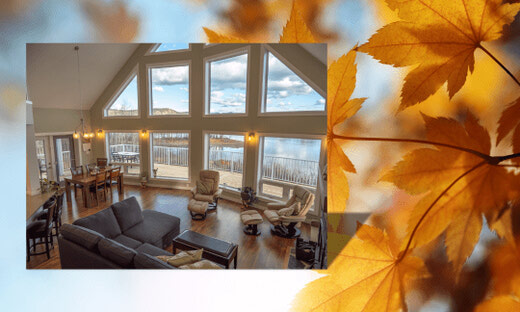
Winton's contemporary designs offer the ideal setting for fall, with open-concept layouts, large windows, and spaces that invite the beauty of the season inside.
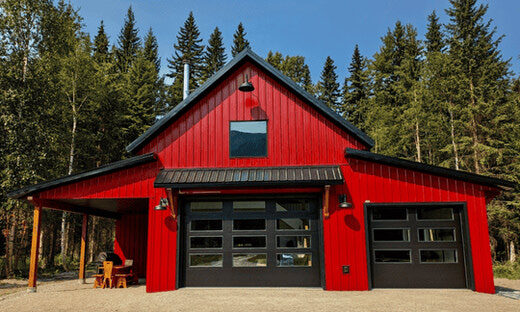
Imagine a home that blends rustic charm with modern comfort, offering a spacious, open layout and the potential for endless customization. That's the magic of barndominiums.
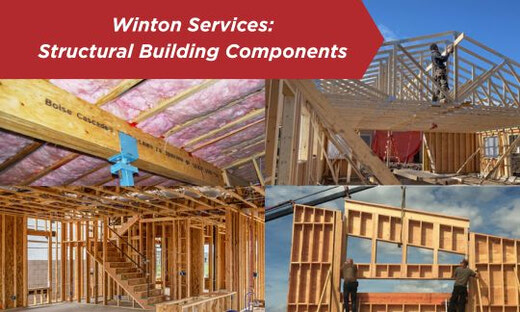
Whether you're a homeowner, builder, or commercial developer, Winton's components are engineered for precision, designed for efficiency, and delivered ready to assemble. Here are just a few of the additional services and products we offer:

The holiday season is a time for family, warmth, and creating memories that will last a lifetime. At Winton Homes, we understand the importance of a home where these cherished moments can unfold.

As 2024 comes to a close, we at Winton Homes want to take a moment to reflect on the wealth of knowledge, insights, and inspiration shared through our blog this year.
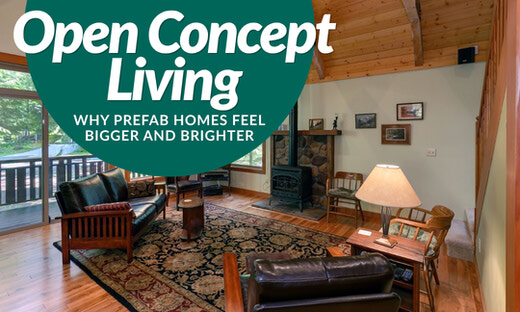
Open concept living has become one of the most sought-after design styles in modern homes and with good reason. By removing certain walls and barriers, this creates a seamless flow between key living spaces like the kitchen, dining, and living room areas.
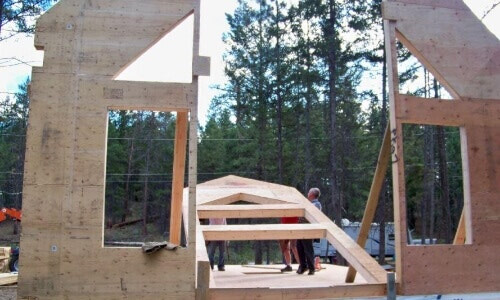
While modular homes are indeed a type of prefab construction, they differ significantly from what we offer. In this article, we'll clarify the differences between modular and panelized prefab homes and why choosing Winton is a unique experience.
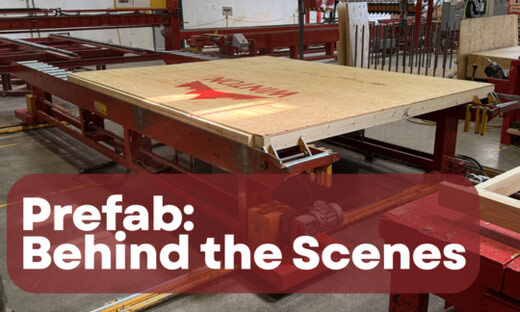
Factory process where technology meets human ingenuity. A look into the work that make the prefab process smooth, efficient and hassle-free!
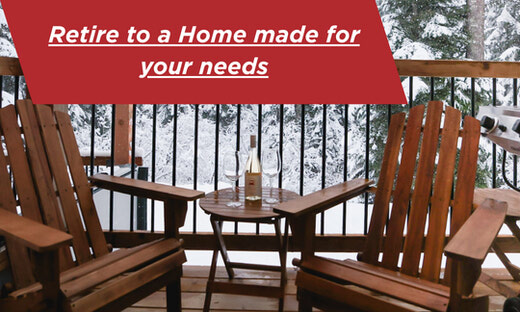
Retirement is about slowing down and enjoying life in a home that truly suits you. At Winton Homes, we design spaces that are simple, low-maintenance, and easy to navigate---whether you're downsizing or seeking comfort and convenience first.
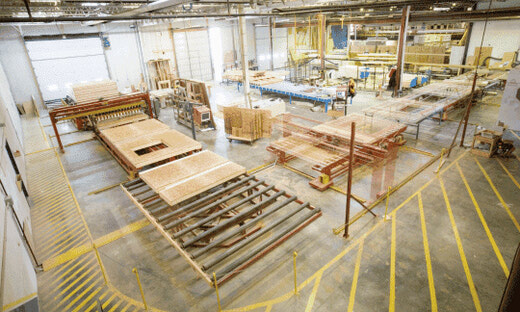
Winton Homes is proud to be an active participant in the BC Housing Level Up Manufacturers roundtable project, an initiative dedicated to revolutionizing the way we think about and build mid-rise residential buildings.
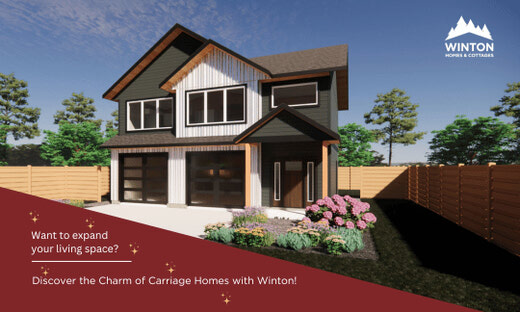
Want to expand your living space? Carriage homes are emerging as a favorite for homeowners looking to enhance their living space, work environment, or income potential.
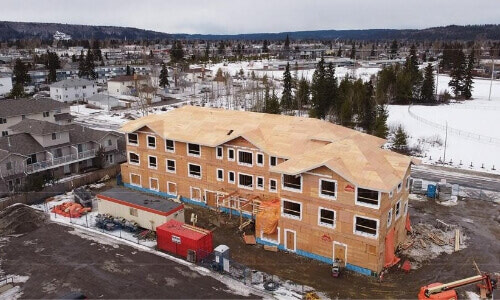
It's not easy running a construction business these days, especially when you find yourself short on skilled workers at the job site. Learn how Winton's prefab components can help you save time and expenses.
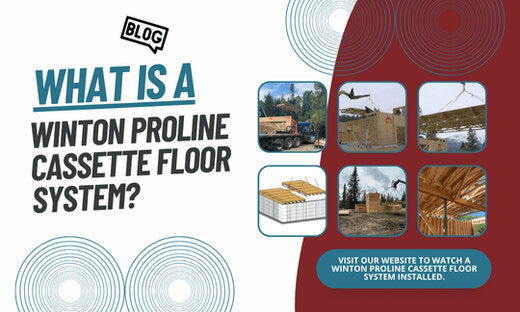
In the construction industry, efficiency, quality, and performance are crucial. The WINTON PROLINE Cassette Floor System is designed to meet these needs, offering numerous benefits for builders and homeowners alike.
At Winton Homes, we believe that the strongest communities are built through collaboration. That's why we're excited to announce the launch of our new webpage, Collaborative Projects and Partners.
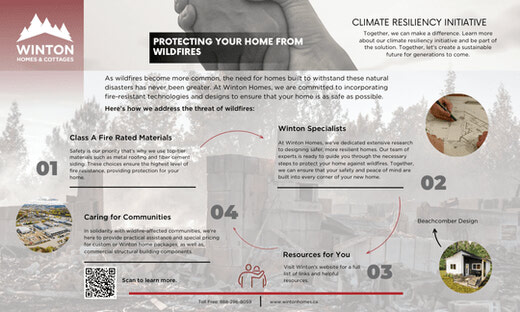
As wildfires become an increasingly common threat across Canada, the importance of constructing homes that can withstand these natural disasters has never been more pressing.
When it comes to building a home, sustainability isn't just about energy efficiency. One of the biggest environmental advantages of prefabricated construction is its ability to significantly reduce material waste compared to traditional on-site builds.
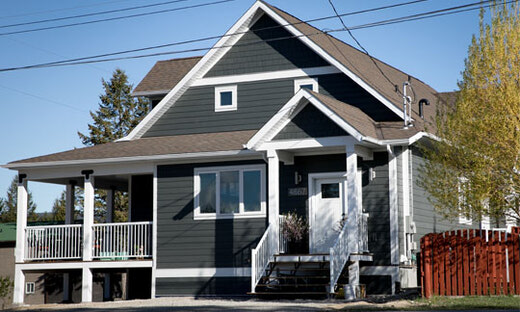
Discover expert insights to build your ideal home while staying financially savvy with Winton Homes. Explore cost-effective solutions and get a clear budget roadmap.
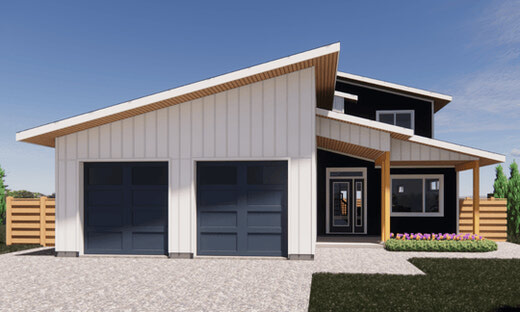
Imagine a home that not only offers more space but also generates additional income---sounds too good to be true, right? Winton's new 3-unit suite design does exactly that, and it's changing the way families and investors think about home ownership.
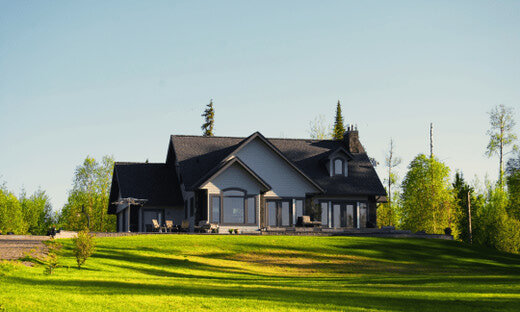
British Columbia is renowned for its stunning landscapes and vibrant communities. But which places are the happiest, and what role does housing, particularly prefabricated homes, play in this happiness?
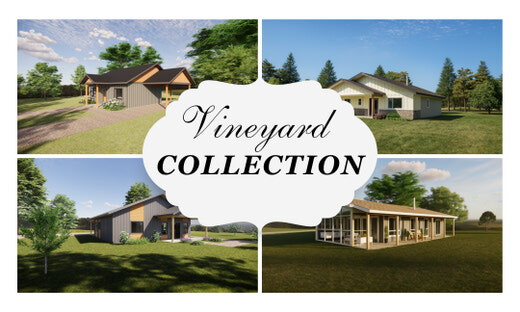
The Vineyard Collection were designed with accessibility, comfort, and leisure in mind. For easy living each plan is a single-story, step-free home. These homes feature wider doorways, accessible layouts, covered entries and carports, and inviting patios.

As spring unfolds its vibrant colors, it's the perfect time to breathe new life into your Winton home and prepare for the seasons ahead.